



November 6, 2026 / Kids Dentistry
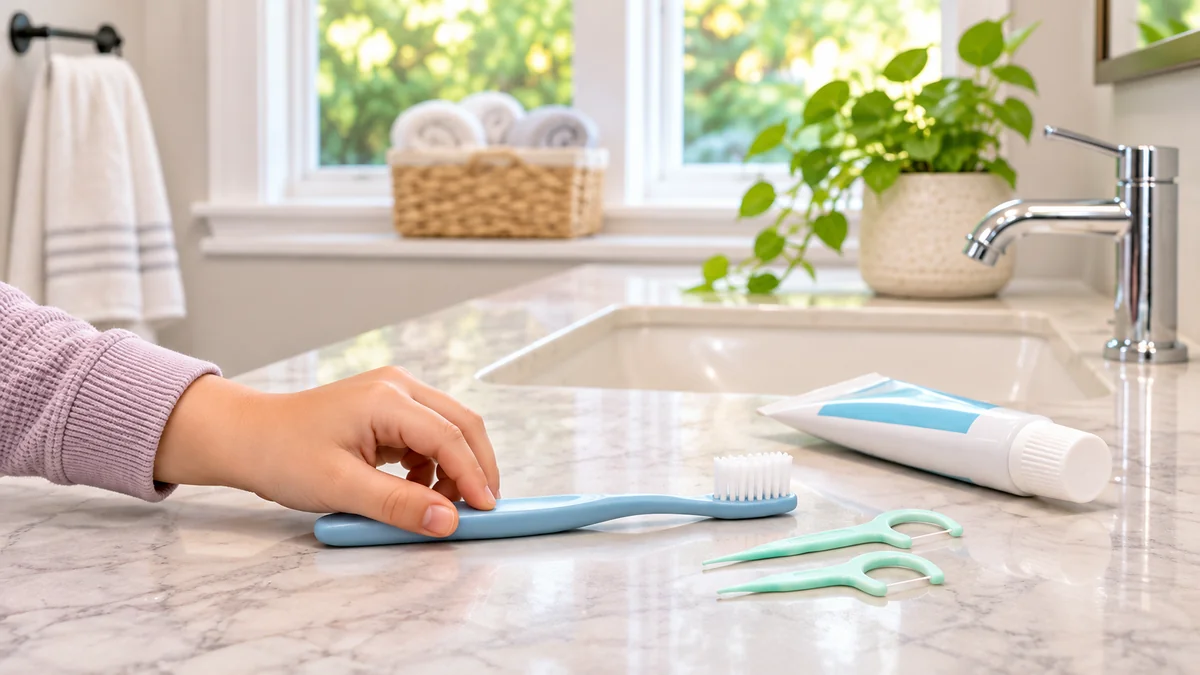
Brushing helps prevent cavities, but it cannot remove every source of risk on its own. A child may brush every day while missing particular surfaces, struggling to clean between teeth or frequently sipping drinks that expose the teeth to sugar. Fluoride and individual oral-health needs also affect the prevention discussion.
When another cavity appears, it is understandable to wonder what went wrong. The most useful response is to review the routine with your family dentist and identify changes that are realistic for your child.
At High Park Dental Care, family dentistry includes looking at the needs of children as they grow. A conversation about recurring decay should address both the teeth that need care now and the habits that may help protect them afterward.
“I brushed” can describe very different routines. One child carefully reaches the back teeth; another brushes the surfaces they can see and finishes quickly. Both may be trying their best.
Ask the dental team to show where plaque is being missed and how to reach those areas. Specific feedback gives a child something to work on. General criticism rarely does.
Decay also involves what happens between brushing sessions. The National Institute of Dental and Craniofacial Research’s tooth-decay information explains the relationship between bacteria, sugars and acids that affect tooth enamel. This helps explain why cleaning, food and drink patterns, and fluoride are discussed together.
A prevention plan should therefore look beyond the number of times a toothbrush is picked up. It should help your family understand which parts of the day or routine need attention.
Children may need practical help even after they can brush independently. Ask the dentist whether your child is reaching the gumline, the chewing surfaces and the back of the last teeth.
If brushing causes arguments, describe what happens. Is the brush uncomfortable? Does the child rush because they are tired? Is it difficult to reach the back teeth without gagging? Those details can lead to more useful advice than assuming the problem is a lack of effort.
Cleaning between teeth is another question to raise, especially where teeth touch. Have the team demonstrate a suitable method and show you how to assist.
Ask about the toothpaste and amount appropriate for your child. Do not assume that a stronger product, a larger amount or firmer brushing will solve recurring decay. The routine needs to be effective and manageable.
It can help to think in terms of a typical day rather than a list of forbidden foods. What does your child drink on the way to school? Do they graze after school? Does a drink stay beside the bed?
Frequent exposures can be easy to overlook because each one seems small. A little juice sipped repeatedly may not register as a treat, while a single dessert receives much more attention.
Bring an honest account of snacks and drinks to the appointment. There is no need to make the week sound healthier than it was. The purpose is to find a pattern that can be adjusted, not to judge your family.
Ask for one or two practical changes to begin with. A plan that fits school, activities and your child’s needs is more useful than an ideal routine that lasts only a few days.
Your dentist may discuss fluoride or sealants as part of prevention. Ask what each recommendation would do for your child and which teeth it is intended to protect.
Sealants and fluoride are not a promise that cavities cannot occur. They belong alongside cleaning, appropriate food and drink habits, and follow-up based on the child’s needs.
Mention medications, health conditions, mouth dryness or changes in eating. Let the dentist decide which information is relevant. If an aspect of home care is difficult because of a disability or sensory need, it should be part of the plan rather than left out of the conversation.
You can also ask why your child’s recommendations differ from a sibling’s. Children in the same household can have different teeth, cleaning access and care needs.
Leave with a clear distinction between treating existing decay and reducing the chance of further problems. An established cavity may need care even when your child is now brushing more thoroughly.
Ask the dentist to identify priorities. Which teeth need treatment? Which areas will be watched? What should change at home, and how will progress be assessed?
Choose a routine you can explain back in your own words. If you are unsure how to help with brushing or cleaning between teeth, request another demonstration. It is better to clarify the technique than to leave with instructions that are hard to follow.
The review schedule should suit your child’s circumstances. Ask why a particular interval is recommended and whom to call if pain, swelling or another concern appears before then.
These questions can help organise the discussion:
Invite your child to ask a question too. Understanding the purpose of the routine can make it feel less like a set of rules imposed on them.
Yes. Brushing frequency is only one part of prevention. Technique, cleaning between teeth, diet patterns and other factors can still leave areas at risk.
They do. A dentist should assess decay in baby teeth rather than assuming it can wait until the teeth fall out. The appropriate care depends on the findings.
Help is needed until the child can clean effectively, and some children need support for longer. Ask the dental team to assess technique and demonstrate the level of assistance that would be useful.
They may be appropriate for your child’s needs. Ask how they would fit into the prevention plan and what home care is still required.
Your dentist should recommend an interval based on the child’s risk and current needs. There is no single schedule that suits every child with a history of decay.
For support with recurring childhood cavities, contact High Park Dental Care at 2184A Bloor Street West in Toronto. Bring your questions and a realistic picture of the routine at home. The next step is a plan your child can use, with appropriate treatment and help along the way.

 FOLLOW US

| Monday | 9:00am to 5:00pm |
| Tuesday | 9:00am to 5:00pm |
| Wednesday | 9:00am to 5:00pm |
| Thursday | 9:00am to 5:00pm |
| Friday | 9:00am to 1:00pm |
| Saturday | CLOSED |
| Sunday | OPEN ALTERNATING WEEKS |