



October 18, 2026 / Invisalign
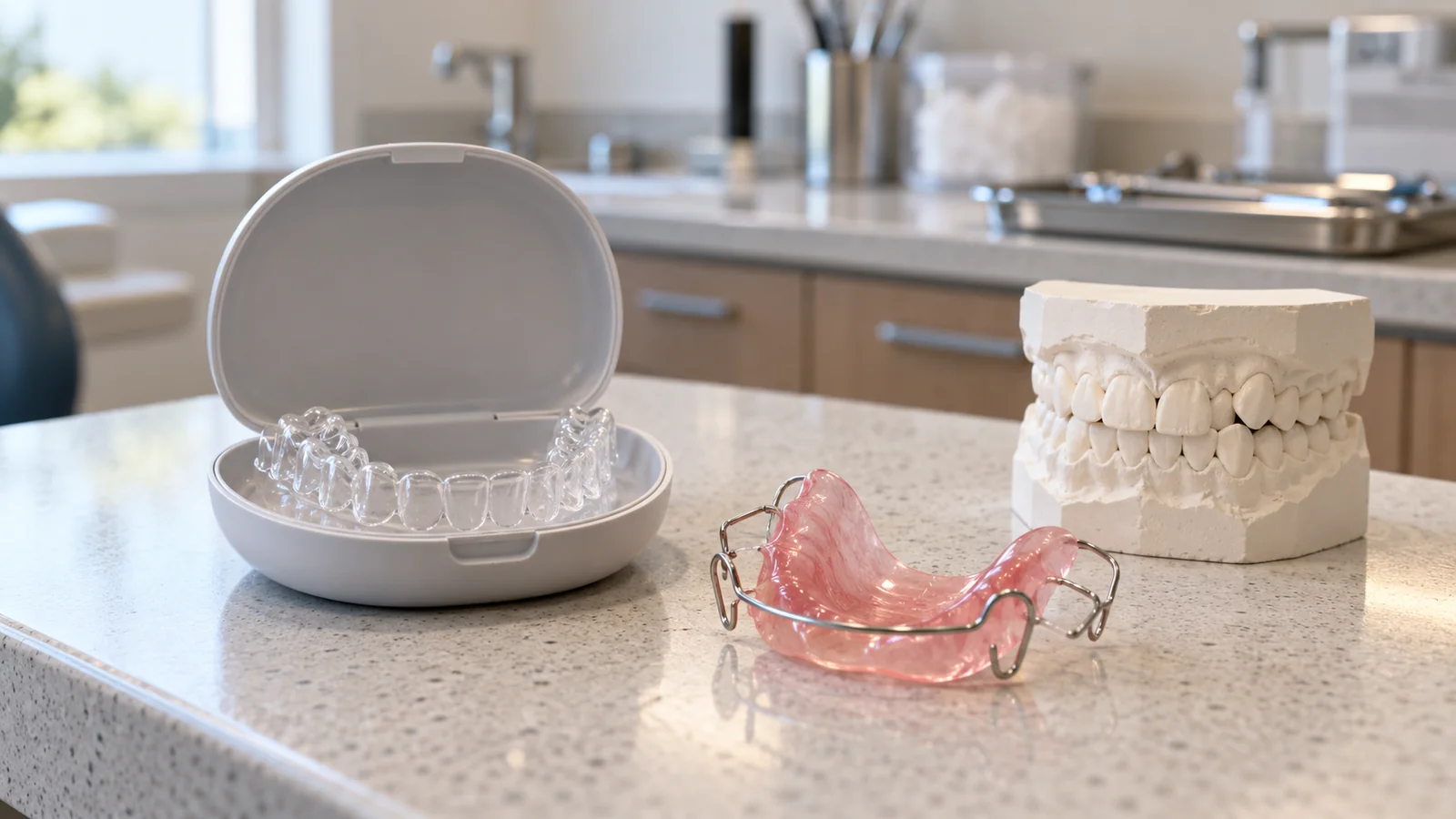
Invisalign can be an option for some adults whose teeth have moved after braces. Whether it is appropriate depends on the current tooth positions, bite, gum health and movements needed. A previous course of braces does not guarantee that aligners will be suitable or that treatment will be brief.
Perhaps you have noticed lower teeth overlapping again, or a space reopening that had been closed for years. Before trying to squeeze into an old retainer, arrange a reassessment. A retainer that no longer fits should not be forced into place.
For anyone looking for an Invisalign dentist in Toronto's High Park area, High Park Dental Care can assess the changes and discuss appropriate choices. The first decision is what needs attention now, rather than which appliance you would prefer to wear.
Teeth can move over time, including after orthodontic treatment. Retention helps maintain their position, but a retainer may be lost, damaged or no longer worn as prescribed. Sometimes the first sign of change is the retainer feeling different rather than an obvious change in your smile.
The American Association of Orthodontists discusses movement after treatment and why retention matters. If something has changed, it is worth reporting even if the shift appears small. That gives a clinician the opportunity to assess the situation before you decide what to do about it.
Describe your experience without worrying about whether you followed every past instruction perfectly. Did the retainer stop fitting after a period without wear? Has a bonded wire felt loose? Have you had dental work since it was made? Each detail may be relevant, and the appointment should focus on the current problem.
Avoid assuming that all movement is simply a return to the old arrangement. Your mouth has a history beyond braces, and new changes deserve examination. A dentist needs to consider what is happening now rather than infer the cause from the fact that you once had orthodontic treatment.
The assessment should identify the change, its significance and the options available. A visible overlap may be your main concern, but how the teeth meet also matters. Ask whether the proposed correction would affect the bite as well as the appearance.
The American Dental Association's orthodontic guidance describes a healthy bite as a central goal of treatment. Straight-looking front teeth are only part of that picture. The clinician also needs to assess the health of the teeth and supporting tissues before planning movement.
Bring removable retainers to your Invisalign assessment at High Park Dental Care, even if you have stopped using them. Explain any problems with a fixed retainer and mention earlier extractions or significant restorations. Ask whether records from the original treatment would help.
Set out your priorities clearly. You may want a limited improvement rather than a broader change, or you may be concerned that your teeth no longer contact comfortably. Ask what can reasonably be achieved and whether your preferred goal fits with a sound overall plan.
If additional records or another professional opinion are recommended, clarify what they will help determine. You should know what remains uncertain before being asked to choose between treatment options.
Clear aligners move teeth through a planned series of trays. For some post-braces changes, Invisalign may be an appropriate method. The recommendation depends on the movements required and whether treatment can be carried out and maintained as planned.
Ask the dentist to explain the proposed correction in concrete terms. Which teeth would move? Would both upper and lower teeth be involved? Are attachments or other steps expected? A small change you can see may require a more detailed plan than you initially imagined.
High Park Dental Care's guide to the Invisalign treatment process provides general background. In a retreatment consultation, ask which steps apply to your situation and how your earlier orthodontic history affects planning.
Think through the daily routine before agreeing. Aligners are removable, but treatment still relies on following the wear schedule and care instructions. Ask how meals, drinks, cleaning, travel and review visits would fit around your life. Being honest about a difficult routine is more useful than assuming you will work it out later.
An estimated timeline should come from the assessment. Ask what could extend it and how progress will be checked. A planned end date or digital preview describes an intention, not a guaranteed result.
Sometimes the next step is a retainer assessment rather than another course of active movement. In other cases, monitoring, braces or a specialist consultation may be more appropriate. Ask why the recommended approach fits the findings.
Retaining the current position and moving teeth back toward an earlier position are different goals. A new retainer made to the current arrangement is not automatically a correction of the shift. Clarify what the appliance is intended to do before deciding it solves your concern.
If an old retainer does not seat properly or causes significant discomfort, seek advice instead of forcing it. The AAO's advice about tight retainers explains when the fit needs professional attention. Do not heat or modify the appliance yourself, or use an old sequence of aligners as an improvised treatment plan.
Ask whether any tooth or gum problem should be addressed before orthodontic treatment is considered. If a referral is suggested, find out what question it will resolve and how the result will be incorporated into your care. An alternative recommendation should come with an explanation, not just a different appliance name.
Before beginning retreatment, discuss how the result will be maintained. If retention is treated as an afterthought, it is easy to arrive at the end of active treatment without a clear routine or plan for appliance problems.
Ask which retainer type is suitable, how it should be worn or cleaned and when it will be reviewed. Understand what is included in the cost and how replacements are handled. If you have a bonded retainer, ask how to recognize a problem and keep the area clean.
Consider what would make the routine practical this time. A designated storage case, a reminder linked to an existing evening habit or instructions you can refer back to may help. If discomfort previously led you to stop wearing a retainer, ask who to call rather than assuming that must happen again.
Report a lost or damaged retainer promptly. Do not wait until visible shifting confirms that something has changed. The care plan should explain who manages retention after active appointments finish and when you should seek review.
A short written history can make the appointment more productive. Include when you had braces, the type of retainer you received and any difficulty maintaining the result. If you do not remember a detail, it is fine to leave it open for discussion.
Useful questions include:
If you are comparing plans, ask whether they aim to achieve the same result. Two proposals may differ because one addresses a broader bite concern while another focuses on a narrower goal. Have the clinician explain that difference in plain language.
Also clarify what the price includes: assessment, active treatment, any additional aligners, retainers and follow-up. You can review those details before deciding. A thoughtful reassessment should leave you understanding the recommendation and your responsibilities, whether or not you choose to proceed immediately.
Not if it no longer fits properly or is painful. Contact your provider and bring it for assessment. Do not force it or alter its shape. The dentist needs to check both the appliance and the tooth positions it is supposed to hold.
No. It depends on the findings and your goals. The recommendation may involve monitoring, a retention plan or active correction. Ask what the change means clinically and what each suitable option would accomplish.
They may help with some bite changes, but suitability depends on the specific movements required. Ask whether the proposed plan addresses the full concern or only part of it. An assessment is needed before predicting what aligners can achieve.
No. Earlier orthodontic treatment does not guarantee a short new course. The current problem, planned movements and progress all affect timing. Ask for an individualized estimate after assessment rather than relying on a general retreatment timeframe.
Yes. Discuss the retention plan before starting treatment and follow your clinician's instructions afterward. Ask about review visits and what to do if the retainer is lost, broken or no longer fits as expected.
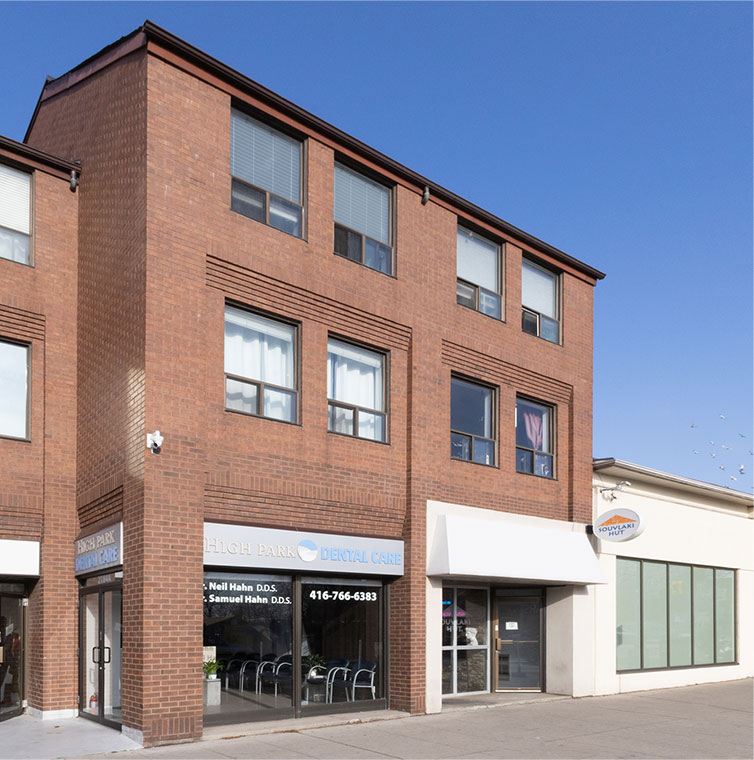
To discuss teeth that have shifted after braces, contact High Park Dental Care at 2184A Bloor Street West in Toronto. Bring your old retainers and describe what you have noticed. A reassessment can help you compare suitable options and plan how to maintain any new result.
 FOLLOW US

| Monday | 9:00am to 5:00pm |
| Tuesday | 9:00am to 5:00pm |
| Wednesday | 9:00am to 5:00pm |
| Thursday | 9:00am to 5:00pm |
| Friday | 9:00am to 1:00pm |
| Saturday | CLOSED |
| Sunday | OPEN ALTERNATING WEEKS |