



September 27, 2026 / Restorative Dentistry

A tooth that hurts mainly when you bite or chew may have a crack, decay, a loose or damaged restoration, inflammation around the tooth, or a bite-related problem. Pressure can expose an issue that is less noticeable when the tooth is at rest. Because several conditions can create a similar sensation, a dental exam is needed to identify the source.
Notice whether the pain happens as you bite down, when you release pressure, or only with certain foods. Also pay attention to temperature sensitivity, swelling, a bad taste, recent dental work and whether you can point to one tooth. These details can help your dentist in High Park narrow the possibilities without relying on symptoms alone.
Biting places force on the tooth, its root and the supporting tissues around it. If part of that system is irritated or damaged, the pressure may trigger a sharp twinge or a deeper ache even when the tooth otherwise feels normal.
The timing of the discomfort can provide useful clues. Pain while pressure is applied may feel different from pain as the bite is released. A dentist may also ask whether the symptom occurs with hard, chewy or soft foods, whether it is becoming more frequent, and whether the tooth feels higher than the teeth around it.
Pressure-specific pain is not a diagnosis. Some problems cause intermittent symptoms, and a person may have difficulty identifying the exact tooth. The American Association of Endodontists notes that sharp pain when biting can be associated with possibilities such as decay, a loose filling or a crack, which is why an evaluation matters.
A crack is one possible reason a tooth hurts when biting, but not every crack causes pain and not every biting pain comes from a crack. Cracked-tooth symptoms can come and go. Some people notice a brief, sharp sensation when chewing or when they release their bite, while others experience temperature sensitivity or a less specific ache.
A crack may be difficult to see because it can be small, hidden beneath a restoration or located in a place that is not visible without a close examination. The type, location and extent of a crack affect what it means for the tooth. An online description cannot show whether a visible line is superficial or whether the tooth has a deeper structural problem.
Decay can also weaken tooth structure or irritate the inner tissues of a tooth. A cavity may not cause constant pain, especially in its earlier stages, but pressure, temperature or certain foods can expose discomfort. The absence of a visible hole does not rule out decay between teeth or under an existing filling.
Fillings, crowns and other restorations are additional areas a dentist may assess. A restoration can become worn, loose, cracked or damaged over time. After recent dental work, a tooth may also feel tender if the bite needs to be evaluated. Do not try to reshape a tooth or restoration at home. High Park Dental Care offers restorative dentistry in High Park for damaged teeth and restorations, with recommendations based on an examination.
Yes. A tooth can be sore because of the way pressure is distributed, irritation in the tissues that support it, or inflammation associated with the tooth’s nerve or root. Teeth are held in bone by a thin layer of supportive tissue. When that area is inflamed, even normal chewing pressure may feel tender.
Clenching or grinding can place repeated force on teeth and jaw muscles. This may leave one or more teeth feeling sore when biting, particularly after sleep or a stressful period. It can also cause jaw fatigue, headaches or tenderness. A dentist needs to determine whether the discomfort comes from a specific tooth, the bite, the surrounding tissues or the jaw muscles.
Jaw joint and muscle pain can sometimes feel as though it is coming from a tooth. This type of discomfort may be broader, change with jaw movement or be accompanied by clicking, stiffness or muscle tenderness. However, referred pain and tooth-specific pain can overlap, so it is safer not to assume the jaw is responsible without an assessment.
Inflammation or infection around a tooth may also make biting uncomfortable. Swelling, persistent throbbing, drainage, fever or a bad taste can increase the urgency. These symptoms deserve prompt attention rather than being monitored indefinitely.
Arrange a dental assessment when pain while biting persists, returns repeatedly or becomes more intense. Intermittent pain still provides useful information, and waiting for constant discomfort can allow some problems to become more complicated.
Book sooner if you notice:
Severe facial swelling, uncontrolled bleeding, major trauma, or difficulty breathing or swallowing requires urgent medical or emergency dental guidance. If you are unsure where to go, call and clearly describe the symptoms so the dental team can help you identify an appropriate next step. Do not wait for a routine visit if symptoms are rapidly worsening.
Until you are assessed, avoid deliberately chewing on the painful tooth or repeatedly testing it. Keep the area clean with gentle brushing and flossing where comfortable. If you use a non-prescription pain reliever, follow the label and confirm with a pharmacist or healthcare professional that it is safe for you. Do not place aspirin directly on the gum.
A dentist will usually begin by asking what the pain feels like, when it started and what triggers it. They may ask about recent dental work, injuries, clenching or grinding, temperature sensitivity and whether the pain continues after the pressure stops.
The examination may include the painful tooth, neighbouring teeth, gums, existing restorations and the way the teeth meet. The dentist may use gentle tests to compare how teeth respond to biting, tapping, temperature or pressure. Dental X-rays or other imaging may be recommended when clinically appropriate, although not every crack or source of pain is visible on an X-ray.
Once the likely source is identified, the dentist can explain the findings and discuss suitable options. The next step might involve monitoring, adjusting the bite, repairing a restoration, treating decay or referring for another type of care, but no specific treatment can be predicted from biting pain alone. High Park Dental Care’s dental services in High Park include assessment and care options based on individual needs.
Yes. A cracked tooth can cause pain during chewing or as biting pressure is released, and the symptom may come and go. The American Association of Endodontists explains that cracked teeth can produce erratic chewing pain and temperature sensitivity. An exam is needed because other conditions can feel similar.
A filled tooth may hurt because the tooth or surrounding tissue is irritated, the restoration is damaged or loose, decay is present, or the bite needs evaluation. Recent work can sometimes cause temporary sensitivity, but persistent or worsening pain should be checked rather than assumed to be normal.
Bite-related pain may fade temporarily, but improvement does not confirm that the cause has resolved. Symptoms from cracks, decay or inflammation can be intermittent. If the pain returns, persists or worsens, arrange an assessment.
No. Mild pain without other symptoms is not always an emergency, but it should be assessed if it persists or recurs. Severe pain, swelling, fever, trauma, uncontrolled bleeding, or trouble breathing or swallowing calls for faster care.
Yes. Repeated pressure from clenching or grinding may make teeth, supporting tissues or jaw muscles sore. A dentist can look for signs of excessive force and also rule out tooth-specific causes before recommending next steps.
A tooth that hurts only with pressure can be easy to postpone, especially when the discomfort disappears between meals. Persistent, recurring or worsening pain deserves an assessment so the source can be identified before a treatment plan is considered.
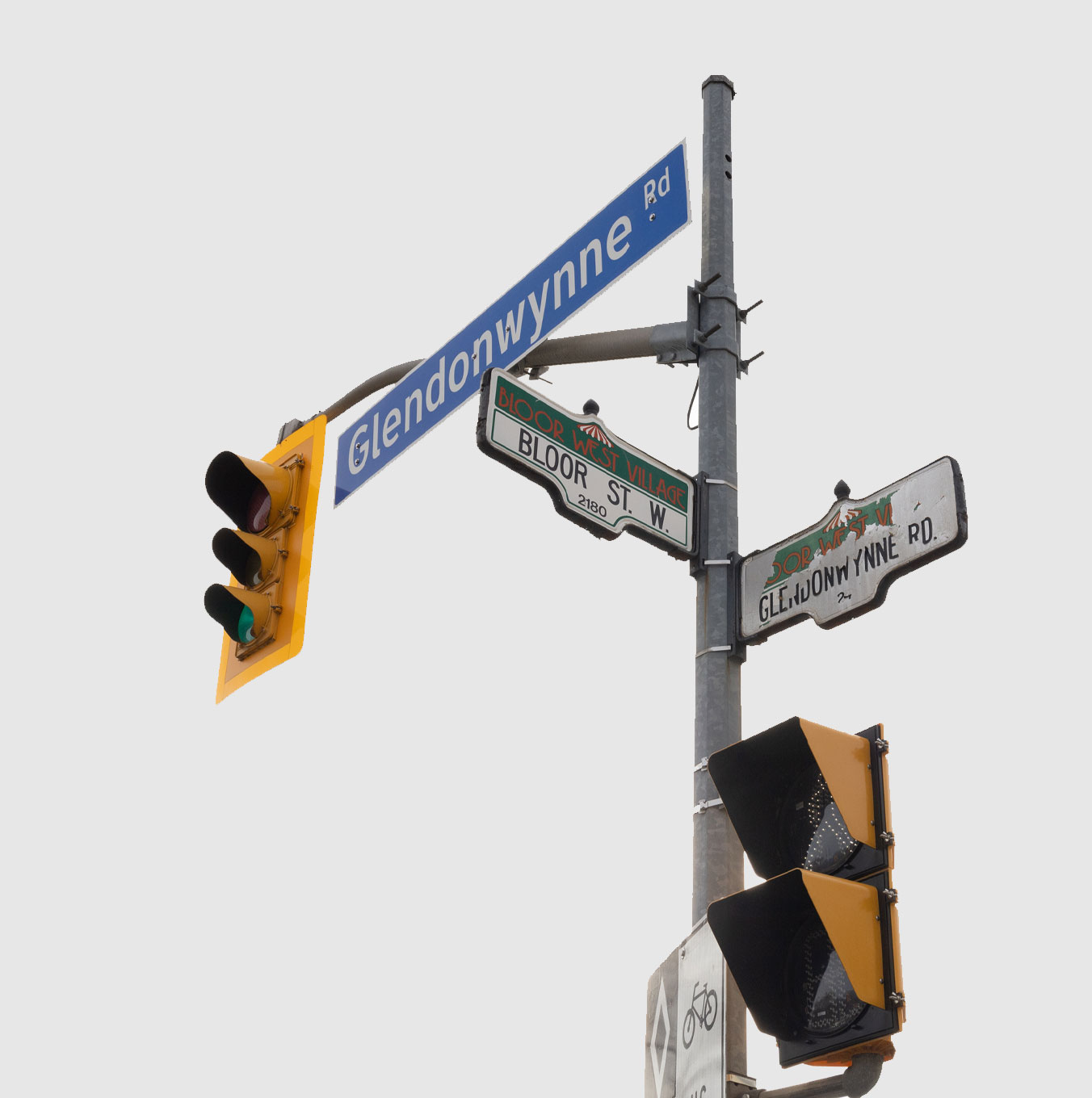
High Park Dental Care is located on Bloor Street West in Toronto, near High Park and Bloor West Village. To arrange an assessment for bite-related tooth pain, contact High Park Dental Care. Appointment timing and treatment recommendations depend on your symptoms and the dentist’s findings.
 FOLLOW US

| Monday | 9:00am to 5:00pm |
| Tuesday | 9:00am to 5:00pm |
| Wednesday | 9:00am to 5:00pm |
| Thursday | 9:00am to 5:00pm |
| Friday | 9:00am to 1:00pm |
| Saturday | CLOSED |
| Sunday | OPEN ALTERNATING WEEKS |