




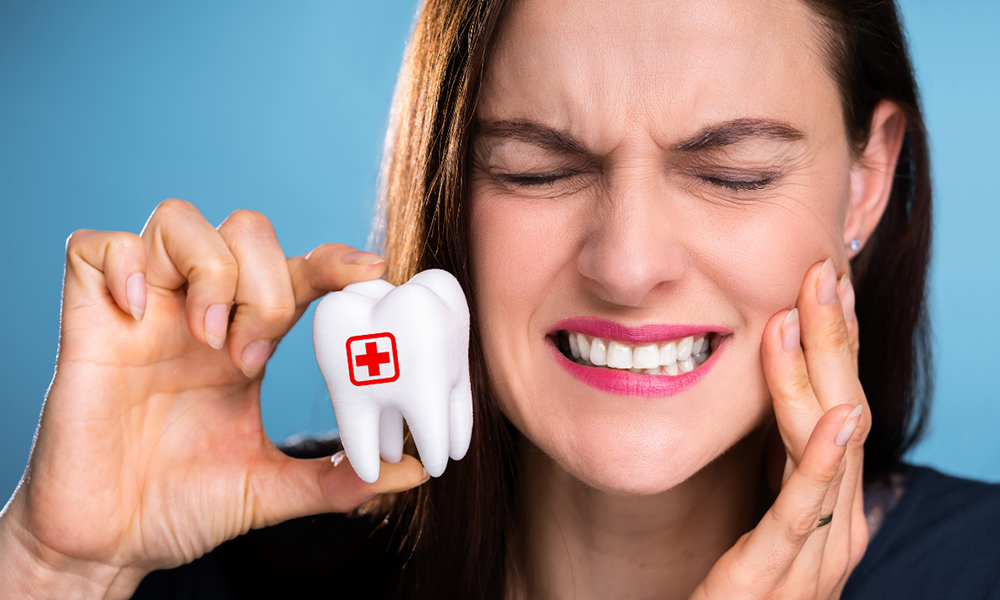
Jaw pain affects millions of Canadians and significantly impacts daily life. At High Park Dental Care, located at 2184A Bloor Street West in Toronto, the dentist in High Park team provides comprehensive TMJ (temporomandibular joint) diagnosis and treatment. The temporomandibular joint connects the jaw to the skull and controls chewing, speaking, and yawning. When this joint doesn't function properly, it causes a range of uncomfortable symptoms that affect quality of life.
Recognizing TMJ Symptoms
Understanding common TMJ symptoms helps patients identify when to seek professional help. The dentist in High Park watches for these warning signs:
Many patients don't realize these symptoms connect to jaw dysfunction. The dentist in High Park helps identify TMJ as the underlying cause and begins appropriate treatment promptly.
Accurate diagnosis is the foundation of effective TMJ treatment. The dentist in High Park uses a comprehensive approach to identify the exact nature and severity of jaw dysfunction.
Clinical Examination
The diagnostic process begins with a thorough physical examination. The dentist evaluates jaw range of motion, joint sounds, muscle tenderness, bite alignment, and tooth wear patterns. This hands-on assessment provides valuable information about joint function and muscle involvement.
Advanced Imaging Technology
Modern imaging provides detailed views of the jaw joint. The dentist in High Park uses:
Three-dimensional imaging reveals details that standard x-rays cannot show, allowing for more precise treatment planning.
Bite Analysis
Bite problems often contribute to TMJ dysfunction. The dentist in High Park performs detailed bite analysis using articulating paper, digital pressure mapping, and study models. Understanding how teeth come together helps identify bite-related causes of jaw dysfunction.
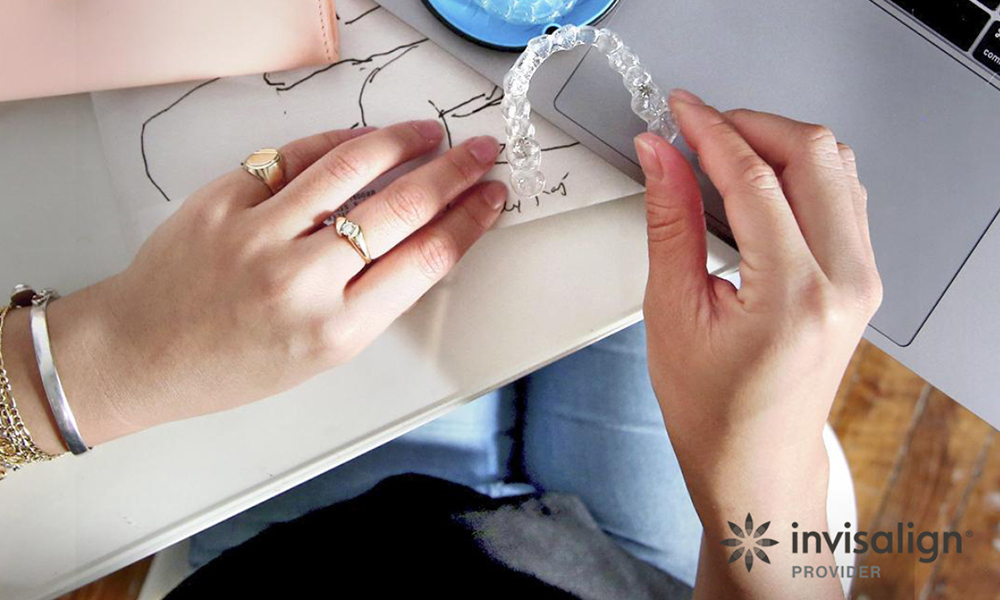
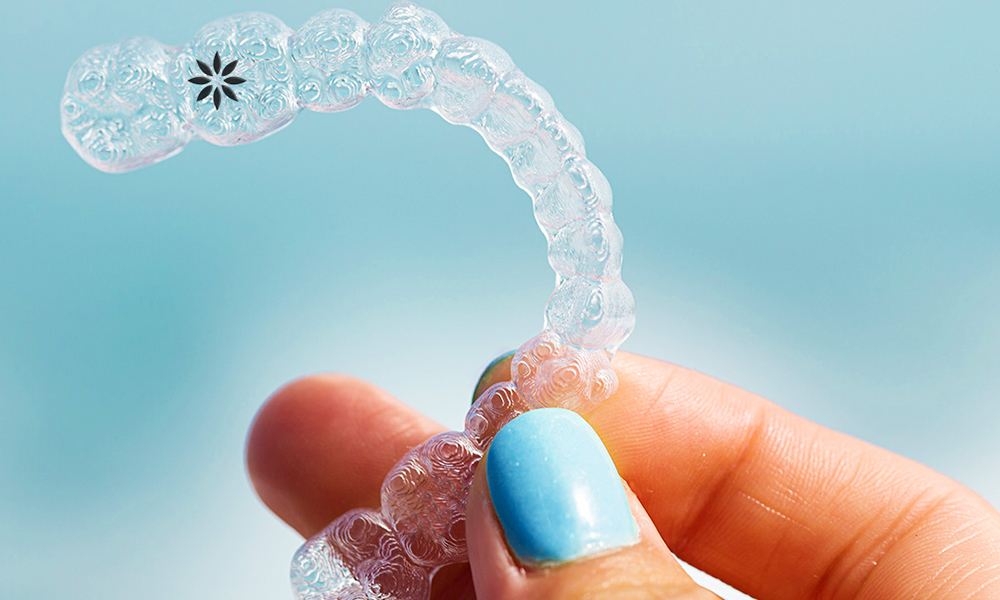
Night guards are one of the most effective treatments for TMJ dysfunction. The dentist in High Park creates custom-fitted appliances that protect teeth and reduce jaw strain.
Why Custom Night Guards Matter
Over-the-counter night guards don't fit precisely and can worsen TMJ symptoms. Custom night guards offer significant advantages:
The Fabrication Process
Creating a custom night guard involves three key steps. First, detailed impressions of both upper and lower teeth are taken. Next, skilled dental technicians fabricate the appliance using high-quality materials. Finally, the dentist in High Park checks the fit carefully and makes adjustments to ensure comfort and proper bite alignment.
Types of Night Guards
Different TMJ conditions require different appliance designs:
TMJ treatment often requires a team approach. The dentist in High Park coordinates with physical therapists to address muscle-related components of jaw dysfunction.
How Physical Therapy Helps TMJ
Physical therapy addresses muscle tension, posture problems, and movement restrictions. Therapists work on:
These techniques complement dental treatment and often provide significant pain relief.
Stress is a major contributor to TMJ dysfunction. The dentist in High Park recommends stress management strategies as part of comprehensive treatment.
Connection Between Stress and TMJ
Stress causes people to clench and grind their teeth, often without awareness. This constant muscle tension leads to jaw muscle fatigue, increased joint pressure, and worsening symptoms.
Recommended Approaches
The dentist in High Park suggests several effective strategies:
Anti-Inflammatory Medications
Short-term use of anti-inflammatory medications helps manage acute TMJ pain. Options include over-the-counter ibuprofen, prescription anti-inflammatories, and muscle relaxants for significant tension.
Botox Injections for TMJ
Botox injections into jaw muscles provide relief for some TMJ patients. This option works well when muscle tension is a primary contributor and other treatments haven't provided sufficient relief. Effects typically last three to six months.
Don't wait for symptoms to become severe before seeking help. Contact the dentist in High Park at High Park Dental Care if experiencing jaw pain lasting more than a few days, difficulty opening or closing the mouth, frequent morning headaches, or worn and sensitive teeth suggesting grinding.
Early intervention prevents TMJ dysfunction from becoming a chronic condition. At High Park Dental Care, the team takes a comprehensive approach combining accurate diagnosis, custom appliances, physical therapy coordination, and stress management for effective, lasting relief. Contact High Park Dental Care at (416) 766-6383 to schedule a comprehensive TMJ evaluation today.










 FOLLOW US

| Monday | 9:00am to 5:00pm |
| Tuesday | 9:00am to 5:00pm |
| Wednesday | 9:00am to 5:00pm |
| Thursday | 9:00am to 5:00pm |
| Friday | 9:00am to 1:00pm |
| Saturday | CLOSED |
| Sunday | OPEN ALTERNATING WEEKS |